
From Alpine Meadows to Timeless Cloth
Today we journey into Natural Fibers and Botanical Dyes: Sustainable Textiles from Alpine Meadows, following the path from sunlit pasture to finished cloth. Meet shepherds, plants, colors, and crafts that honor ecology, celebrate local knowledge, and clothe us with warmth without waste. Expect practical recipes, field notes, and heartfelt stories inviting you to touch resilience, breathe pine-scented breezes, and make choices that nurture mountain biodiversity and your everyday wardrobe alike.
Origins in the High Pastures
Tyrolean Bergschaf and Valais Blacknose sheep gift springy, medium-micron fleeces rich in lanolin, perfect for sturdy outerwear and felt. Hardy alpine goats contribute coarse guard hair for cordage and mats, while the softest down is reserved for warmth near skin. Each staple length, crimp, and micron tells a dialect of resilience and purpose.
Linen arises from flax pulled on cool mornings, its stalks retted in stream or dew before fibers are combed to silken shine. Hemp brings ropey tenacity and quick growth, while humble nettle, once a wartime necessity, surprises with soft luster after careful processing, inviting blends that balance drape, durability, and breathability.
Transhumance shapes calendars: shearing before the highest ascent, flax pulling after bloom but before full seed, nettle cutting when stems ring clean. Storms test shelters, frosts set colors in leaves, and sun-warmed barns become workshops where fiber is skirted, dried, stacked, and labeled with dates that remember skies.
Color Gathered from Slopes and Forest Edges
Pigments whisper from walnut hulls, birch leaves, larch cones, weld, goldenrod, and the quiet lichens clinging to stone. We explore which shades endure, which fade, and how to coax brilliance without harm. With alum, tannins, and restrained iron, colors marry fiber gently. Gathering becomes gratitude, a mindful walk that notices nests, footprints, moisture, and the steady renewal of alpine understories.
From Fiber to Yarn: Clean, Spin, and Strengthen
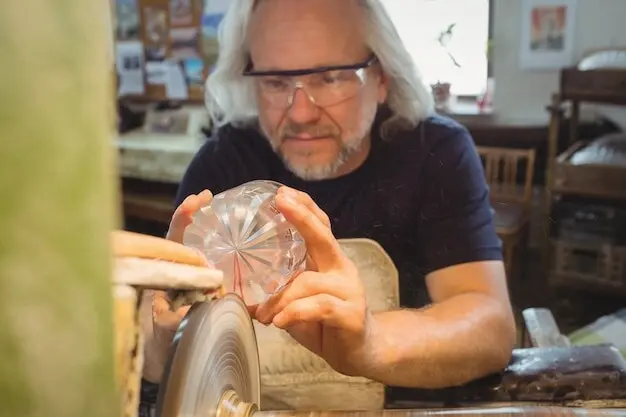
Transformation begins with kind water and ends with balanced twist. We compare scouring wool with biodegradable soap, dew-retting flax for cleaner lines, and softening nettle in ash lye. Carders raise clouds; combs align shine. Drop spindles teach attention, wheels teach flow, and plying seals intentions into durable strands ready for hardwearing, color-loving fabric.

Gentle Scouring That Saves Water
Collect rain or snowmelt, heat only to a sigh, then let wool relax with a spoon of olive-based soap and time. Two baths often suffice; agitation felts. Save lanolin-rich water for leather or tools. Rinse in matching temperatures to prevent shock, and air-dry flat where mountain breezes encourage loft without excess energy.
Carding, Combing, and Blending for Purpose
Carding opens locks for lofty knits; combing removes short fibers for lustrous warps. Blend nettle with wool for abrasion resistance, flax with wool for crisp trousers, or keep single-origin purity for traceable garments. Always sample. Swirl colors at the rolags, or streak combed tops, letting future weave structures guide your texture choices.
Spinning Stories: Singles, Plies, and Balance
Twist stores energy like a path winding uphill. Low-twist singles drink dye and drape, while tighter plies endure abrasion in cuffs and pack straps. Count treadles or measure twists per inch; wet-finish to set memory. Balanced yarns sing on the loom, and intentional imbalance creates lively textures worth celebrating.
Weave, Knit, and Felt: Structures that Serve the Mountains
Structure decides whether a jacket repels drizzle, a shawl breathes uphill, or socks resist scree. We explore dense twills, lofty knits, and fulled finishes rooted in centuries of alpine pragmatism. Guided by climate and activity, craft becomes engineering: calibrating setts, needle sizes, and fulling time so garments endure storms, dry quickly by hearths, and feel welcoming against living skin.
Dyeing with Confidence: Recipes, Mordants, and Safety
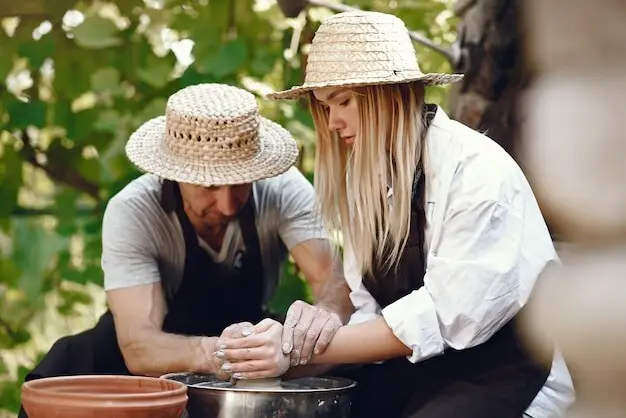
Reliable color comes from clear methods, clean fiber, and respect for your lungs, skin, and waterways. We share baseline percentages for alum and tannins, caution with iron, and strategies for pH and heat. Swatch first, label everything, and let patience replace drama. You will find repeatable, nuanced hues that love the light and forgive everyday use.
Alum, Tannins, and the Iron Afterbath
For protein fibers, start with alum at ten to fifteen percent of weight of fiber, softened by five percent cream of tartar. For cellulose, build tannin at eight to twelve percent, then alum. Iron at one to two percent saddens and strengthens but can embrittle; dip briefly, rinse thoroughly, and always neutralize wastewater responsibly.
Colorfastness the Honest Way
Sun-test swatches on a windowsill for two weeks beside a control, then launder in cool water with soap and friction. Record shifting tones, not just pass or fail. Some fugitive shades still shine under collars or linings; others suit wall hangings. Honesty about wear builds trust with customers and deepens personal satisfaction.
Sustainability You Can Feel
Cloth carries choices: how animals lived, how water moved, how hands were paid, and whether meadows hummed with insects after harvest. We look at traceability from pasture to sewing table, life-cycle impacts, gentle scouring agents, and fuel use. Local cooperatives keep value near the slopes, while mending culture keeps garments circulating. Your wardrobe can protect alpine biodiversity as surely as fences and restoration crews do.

All Rights Reserved.