
Before the lake turns silver-blue under full daylight, let steam curl from your cup and listen to wood stoves ticking to warmth. A notebook waits for a few honest lines; socks dry by the hearth; the shoreline murmurs. Stretch, sip, and notice birds trading news across reed beds. With phones tucked away, you claim the slowness that’s already yours, greeting the day with patience, curiosity, and a promise to walk lightly along water’s edge, where every ripple returns a steadier version of you.
The Soča does not rush for anyone, and neither should you. Trace its luminous bends past mossy stones and larch shade, letting your stride match the river’s thoughtful glide. Kneel to study lichens shaped like tiny maps; taste cool spray where currents braid around boulders. Pause at wooden bridges to watch sunlight braid itself into sparks. By surrendering pace, discoveries multiply: a silent eddy, a shy trout, a memory settling into your bones, teaching patience more persuasively than any hurried schedule ever could.
As evening folds the ridges into velvet, the first stars announce quiet company. Lamps dim, soup bowls warm palms, and stories gather like moths around gentle laughter. Someone hums a tune remembered from childhood; another stirs elderflower syrup for tomorrow’s tea. Without hurry, time stretches kindly, leaving room for reflection, gratitude, and handwritten postcards. Under Triglav’s silhouette, you realize the day was full precisely because it was unhurried, and that rest, tenderly chosen, is a craft as worthy as any carved spoon.

Open a gate near Radovljica and you may hear the Carniolan honey bee, calm and silver-gray, stitching sweetness from mountain blossoms. Beekeepers tend wooden hives whose painted panels tell folk tales, prayers, and gentle jokes. In the honey room, light thickens in the air; wax cools into useful forms; spoons become slow instruments. Taste differences between spring acacia, high-summer wildflower, and forest honey, each jar a map of bloom and weather. Learn why patient stewardship keeps the bees, and us, resilient.
Wool remembers the hillside. Washed in creek-cold water, carded by steady hands, it carries sunlight into yarn that hums with purpose. A loom near Kranjska Gora clacks like a steady heartbeat, rows building toward warmth you can wear for decades. Felters coax forms from fibers with soap, song, and time, teaching that softness is also strength. Patterns echo bark, snowfields, gentians, and shepherd paths. When you wrap a shawl or set a felt coaster beneath a mug, you hold mountain weather, patiently transformed.
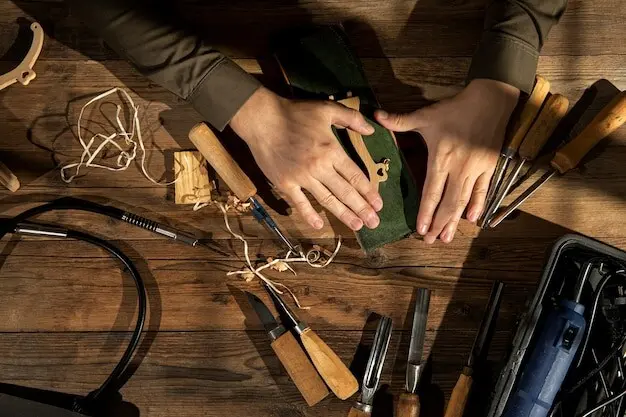
Storm-fallen beech becomes a spoon that remembers wind, rain, and winter’s hush. In a Tolmin workshop, shavings curl like pale ribbons, and knives whisper lessons about grain, moisture, and humility. Each bowl is turned with pauses that let wood speak back, preventing splits and honoring form. Natural oils deepen color the way twilight deepens a meadow. Owning such objects alters habits: you stir more gently, eat more mindfully, and repair instead of replace, learning stewardship from the very material that sheltered generations before ours.
Ana sets her loom where afternoon light pools softly, because color tells the truth in patient brightness. She speaks of tension as both thread and life lesson, eased by tea and steady breathing. When a pattern refuses to align, she stands, looks out, and counts pine trunks until frustration loosens. Commissions come and go; shawls remain steady friends. Her advice: choose honest materials, price for sustainability, and let your schedule guard your joy. The cloth will remember how you treated yourself while making it.
In Matej’s apiary, the loudest sound is relief. He learns productivity from bees that rest when rain insists, then resume with unshowy focus. When colonies thrive, he makes fewer jars rather than rush harvests. Painted hive panels record births, storms, and small victories in color. He teaches visitors how to stand still long enough for curiosity to replace fear. His reminder lingers wisely: tend the ecosystem that supports your work before you polish the label on your product, and sweetness will follow in season.
After windstorms, Luka walks forest edges, seeking logs granted by weather rather than saws. He respects knots as biographies, not flaws, orienting grain to reveal a life of droughts and springs. Cracks become kintsugi lines of oil and light. He sells fewer pieces than he could, because trees do not grow on schedule. When asked about success, he taps a finished rim that sings like a bell and says, listen for resonance, not applause; if it rings true, the right hands will find it.


All Rights Reserved.