Heritage Reimagined: Contemporary Designers Reviving Alpine Craft

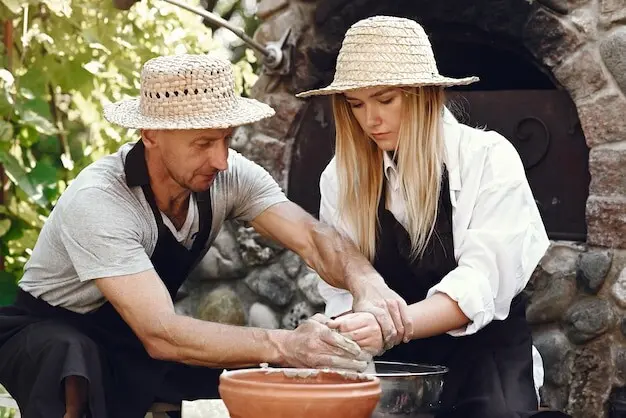
Step into crisp air, pine-scented workshops, and looms humming against steep horizons as we explore Heritage Reimagined: Contemporary Designers Reviving Alpine Craft. From stone pine and loden wool to horn and hammered iron, makers pair ancestral knowledge with bold methods, proving tradition is not a museum piece but a lively collaborator. Join us to meet studios, discover sustainable processes, and learn how mountain-born ideas adapt to city life, celebrating durability, beauty, and stories carved by weather, altitude, and patient hands.

Roots in Rock, Wool, and Wood

Alpine craft begins with materials shaped by altitude, weather, and quiet resilience: loden milled in icy water, stone pine seasoned in thin air, larch resisting storms, horn polished to a warm glow, iron tempered beside torrents. Designers honor these origins while experimenting with textures, finishes, and precise tolerances that let ancient resources sing in present-day contexts. The result feels both familiar and surprising, like a footpath you have walked forever that suddenly opens onto a new view you never expected to see so close to home.

Skills Passed Down, Tools Pushed Forward
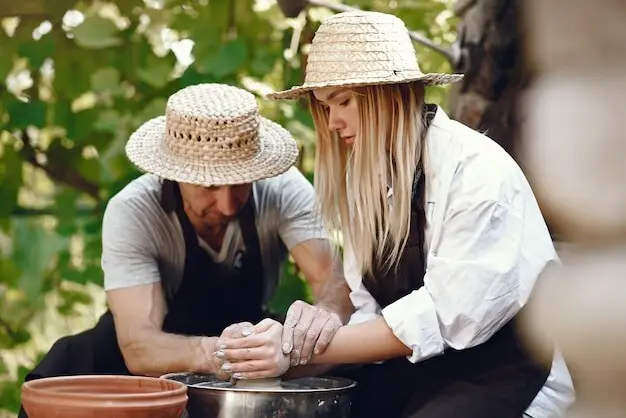
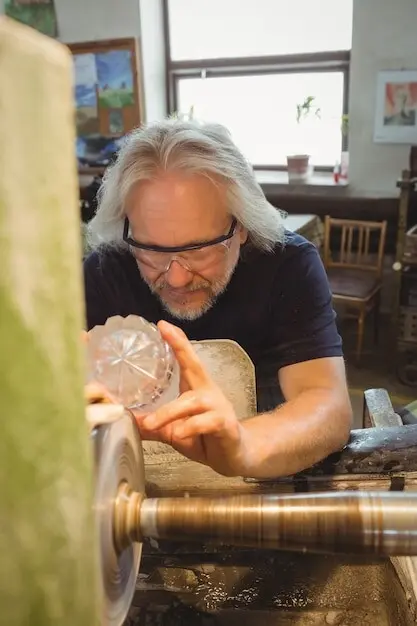
Apprentices lean over benches worn smooth by time, repeating motions that seem simple until muscle memory matures. Nearby, laptops run parametric studies, guiding jigs and templates calibrated to microns. This interplay reduces waste, archives patterns for future repair, and invites collaborations across valleys and borders. Rather than replacing craft, technology documents nuance, proving that precision and patience can be allies. The new generation learns to read humidity, grain, tension, and code, expanding an old language with fresh, respectful grammar.

Studios from the Peaks: Stories of Renewal

Designing for Circularity and Place

Circular decisions here feel practical, not performative. Materials are sourced within defined distances, offcuts become handles or packaging, and objects welcome repair. Rail and shared logistics reduce emissions while safeguarding supply resilience during winter closures. Joinery allows disassembly, labeling documents fibers and finishes, and service networks stitch valleys into supportive ecosystems. Designers aim for elegance that earns its keep over decades, measuring success in fewer replacements, quieter waste streams, and satisfied hands that continue caring for what they own.

Material Miles That Truly Matter

Studios map fiber, timber, and metal sources on clear labels, naming forests, mills, and foundries instead of hiding behind abstractions. Shorter routes reduce emissions and build trust with neighbors. Rail-friendly crates, returnable pallets, and consolidated shipments respect harsh winters and busy harvests. When distance is unavoidable, transparency and durability offset impact, ensuring each journey results in something worthy of the road taken, the time invested, and the communities involved along the way.

Make, Unmake, Then Mend

From knock-down joinery and stitched rather than glued seams to standardized hardware, products are designed with dignified repair in mind. Spare yarn, extra buttons, and finish samples travel in every package, accompanied by illustrated guides. Regional technicians handle complex fixes, while simple tasks invite owners to learn. This model treats care as a continuation of making, strengthening attachment and reducing waste, turning workshops and homes into partners across the long life of every object.

Narratives that Travel Beyond the Valleys

Stories give objects legs. Clear provenance, maker voices, and grounded photography replace clichés of chalets and endless snow. Packaging uses offcuts and wool ties, while scannable notes unlock audio from the workbench—bell tones, loom rhythms, chisels tapping pine. Hospitality partners host living displays in huts and hotels, gathering feedback under real use. Urban retailers translate mountain logic for smaller spaces, proving that authenticity grows stronger when shared honestly, warmly, and without sentimentality.

Packaging with Provenance and Purpose

Boxes built from workshop offcuts and paper fibers from responsibly managed forests hold pieces snugly without foam. Wool twine replaces plastic; printed inserts list materials, distances, and care. A QR code plays the maker’s greeting and ambient workshop sounds, turning unboxing into connection. By designing this moment thoughtfully, studios extend hospitality to the doorstep, honoring the journey from hillside to home with clarity rather than ornament alone.

Hospitality as a Living Showcase

Mountain inns and city hotels commission chairs, blankets, and bells that work hard under constant use, generating data more honest than showroom minutes. Guests meet makers at seasonal events, try tools respectfully, and leave with practical care habits. Procurement aligns maintenance budgets with longevity, rewarding fixable construction. The result is a feedback loop where comfort, economy, and culture cohere, reminding travelers that good design feels better after a hundred quiet mornings.

Urban Lives, Alpine Souls

In compact apartments, wool panels soften echoes, carved hooks anchor ritual, and small bells mark arrivals without screens. Pieces adapt scale and finish to central heating, stairwells, and busy corridors, staying generous without excess. Mountain honesty meets city agility, producing interiors that breathe, invite touch, and encourage care. By resisting nostalgia and convenience alike, designers craft daily companions that age into friends, carrying altitude’s clarity into street-level routines.

Share an Heirloom’s Quiet Biography

Post a short note about a blanket, bell, or box that has stayed with you. Describe where it rests, how it’s used, and what you repair when it falters. We may feature your story—crediting you fully—so others learn from honest wear. Include daylight photos, detail shots, and any family anecdotes, because provenance strengthens value and deepens care for everyone reading, making, and mending alongside you.

Join the Trail of Makers

Subscribe to receive seasonal maps of ateliers, open-studio dates, and fairs reachable by train or bus. We highlight places that welcome questions, demonstrate repairs, and sell spare parts. Bring patience and curiosity; leave with practical skills and contacts. Your visit supports local economies and keeps intergenerational knowledge alive, proving that participation, not merely purchase, is the real engine powering beautiful, durable, culturally rooted design.

Care Guides That Age Gracefully

Brush loden with a soft card, steam felt rather than soak, and refresh wood with thin coats of beeswax, buffed gently. Avoid harsh detergents and high heat; let wool and timber breathe. Document small fixes on a tag inside garments or beneath chairs, building a maintenance history future owners will appreciate. Care becomes memory, memory becomes value, and value helps objects remain companions rather than clutter.
Nexosirakaro
Privacy Overview

This website uses cookies so that we can provide you with the best user experience possible. Cookie information is stored in your browser and performs functions such as recognising you when you return to our website and helping our team to understand which sections of the website you find most interesting and useful.