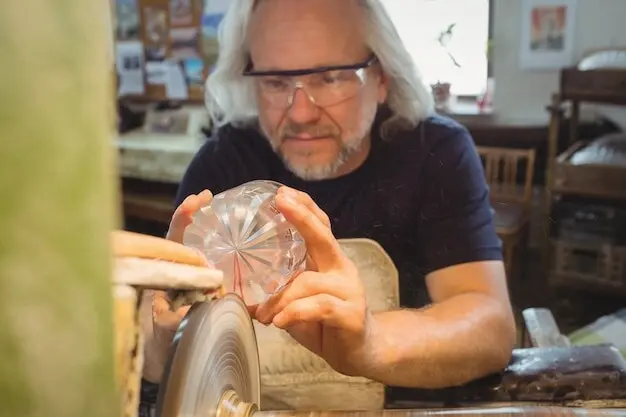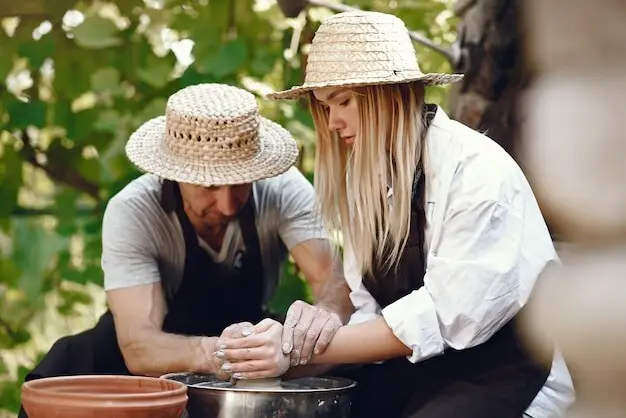
Carve, Weave, and Shape the Mountains With Your Hands

Step into hands-on Alpine workshops where you can learn woodcarving, weaving, and pottery side by side with generous local masters. Feel the cadence of tools, looms, and wheels, breathe crisp mountain air, and carry home skills, stories, and friendships forged through patient practice, shared meals, and the satisfying rhythm of work that connects you to centuries of resilient highland craftsmanship.

Welcome to the High-Altitude Atelier

First Morning: Tools, Hands, and Confidence
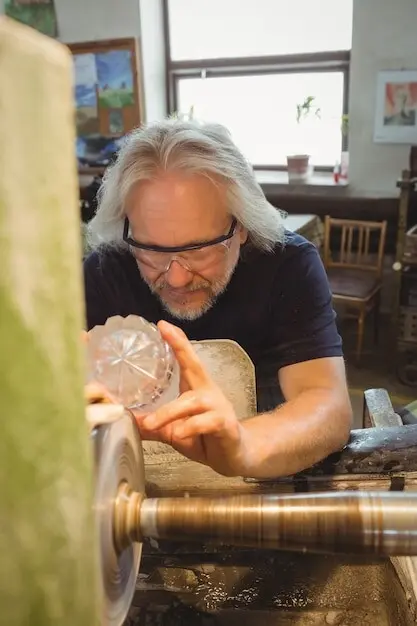
Your opening session begins with a slow tour of workbenches, looms, and wheels, followed by a patient safety talk that feels more like an invitation than a rulebook. You’ll try a few simple carving cuts, warp a tiny sampler, and center a practice mound of clay, learning how to breathe with each motion. By lunch, your hands understand more than your head, and nervousness loosens into curiosity.

Finding Your Pace Between Peaks

Mountain time moves differently, and your instructors encourage steady attention rather than speed. Short breaks outside reset posture and eyes, while tea and local bread revive energy. You jot notes, sketch designs, and photograph process steps for later reflection. The altitude reminds you to sip water, stretch wrists, and celebrate small wins, turning repetition into a companion rather than a chore, and patience into steady, satisfying progress.

From Curiosity to Craft

A turning point often arrives when your hands memorize a motion before you can explain it. The chisel no longer skitters, the shuttle settles into rhythm, and clay walls rise without collapsing. A master shares a quiet anecdote about their own early struggles, and laughter breaks the tension. You realize the path is not to brilliance in a day, but to attentive presence, one thoughtful gesture after another, building skill like stacked stones.

Woodcarving Guided by Mountain Grain

The scent of pine and larch drifts through the carving room as light reveals the grain’s subtle map. A seasoned carver shows how to read that map, guiding your cuts so fibers part willingly. You explore relief patterns inspired by alpine flora and shelters, practice safe hand positions, and learn to sharpen until edges whisper. The bench becomes a conversation with the tree’s memory, honoring its growth with purposeful, respectful design.
You compare pieces of soft, fragrant pine with denser maple and walnut, feeling how weight and resistance shape each project. A mentor explains moisture content, stable boards, and why slow-dried, responsibly sourced timber carves cleanly. Together you match wood to intent: pine for expressive beginners’ reliefs, maple for crisp details, walnut for rich contrast. Local suppliers and forest cooperatives are introduced, linking your practice to careful stewardship and long-term woodland health.
Tools become extensions of your fingertips once edges are keen and movement is mindful. You learn to hone on stones, polish on leather, and respect angles appropriate to the cut. Bench hooks secure the work, and your stance shifts to align shoulder, elbow, and wrist. A carver’s mantra emerges: sharp, stable, slow. With controlled pressure and clean stop cuts, the piece reveals crisp planes and soft facets that catch the mountain light.

Warping With Intention

Planning the warp becomes a meditation on purpose: scarf, table runner, or practice sampler. You calculate width, ends per inch, and yardage, then wind measured bouts, watching colors align like dawn bands over peaks. Two people collaborate at the warping mill to keep even tension. At the loom, threading heddles and sleying the reed shifts from puzzle to music, as your hands map order that future weft will joyfully explore.

Texture, Pattern, and Patience

Plain weave teaches balance, twill introduces flow, and playful pick-up adds expressive accents. You practice beating with consistency, noticing how a gentle wrist preserves drape. Mistakes become teachers: a skipped thread is repaired, a crossed heddle corrected without drama. The room’s soft clatter becomes steady breath, and your cloth lengthens with stories of trial, adjustment, and delight. Each inch records learning you can both see and feel.

Finishing and Caring for Textiles

Off the loom, the textile relaxes into itself. You secure ends with hemstitching or knotted fringes, then wash and block to settle fibers. Labels record fiber content and care, honoring material origins and future wearers. Gentle detergents and cool water protect wool’s resilience, while sun-drying preserves vibrancy. Whether gifting or keeping, you treat the piece as a companion object, one that carries mountain air and the cadence of your practice.

Preparing Local Clay Bodies

You explore different clays for different purposes, from forgiving earthenware for beginners to durable stoneware for everyday vessels. Wedging aligns particles and removes air pockets, making the body responsive and predictable. Reclaim buckets gather trimmings, reminding you that materials can return renewed. Simple tests—coils, shrink bars, and slip consistency—build understanding without fuss. With each lesson, clay shifts from mystery to partner, ready to record the exact pressure of your intentions.

Centering and Lifting Walls

Centering asks for alignment more than strength: elbows anchored, shoulders relaxed, and breath guiding steady pressure. Coning up and down refines structure before you open, compress the base, and lift walls in mindful passes. A damp sponge supports shape, while a rib refines surfaces. Trimming later reveals foot and proportion. Altitude’s dry air encourages slower drying beneath covers, teaching patience that prevents warping and preserves the graceful lines you coaxed from clay.

Listening to Lineages

Masters often carry decades of practice and memories of their teachers’ hands. When they recount a pattern’s origin or a chisel’s repair, they are inviting you into that lineage briefly. You ask permission for photos, write names carefully, and store quotes in your notebook. Respecting context ensures your work celebrates, not erases, the voices that shaped it. Gratitude becomes part of technique, anchoring your new skills within a shared human story.

Ethical Sourcing and Sustainability

Craft choices ripple outward. You learn how cooperatives support shepherds, how certified wood protects forests, and how local clay mining balances tradition with ecology. Buying fewer, better tools reduces waste and sharpens focus. Repairing handles, reusing rags, and reconditioning oil keeps a humble, effective kit. Shipping finished pieces thoughtfully and leaving studios spotless extend care beyond the bench, proving that responsible making and inspired creativity can strengthen each other every single day.

Documenting With Care

Photographs and posts can amplify learning when handled respectfully. Capture process more than faces unless consent is clear, and share credit prominently. Context in captions helps others appreciate the work’s place and mentors’ guidance. Printed notes, swatch books, and glaze logs ensure knowledge endures offline too. When you share, invite dialogue rather than applause, asking questions and welcoming corrections. In this way, documentation becomes another studio tool for growth and community.
Plan, Pack, and Keep Creating

A smooth journey frees energy for real learning. You confirm schedules, clarify materials included, and arrange lodging near studios to reduce daily travel. Packing layers, closed-toe shoes, an apron, and a sturdy notebook sets a professional tone. After returning home, you schedule regular practice sessions, display finished pieces to spark conversation, and join supportive communities. Each choice keeps the door open between your routine and the invigorating studios waiting among the mountains.
Pack clothing you can move and bend in, a water bottle, light gloves, and any personal safety gear you prefer. Many studios provide tools, so travel light and purchase a favorite chisel, shuttle, or rib on site. Closed-toe shoes, hair ties, and bandages are practical. Leave solvents and oversized blades at home to avoid travel issues. A compact sketch kit and phone for photos round out a capable, respectful, student toolkit.
Transparency reduces stress. Ask about workshop fees, tool rental, material costs, and options for shipping your finished work. Consider meals, local transport, and an extra day to rest before traveling home. Some students share lodging or split car rides, building friendships while saving money. Supporting instructors by purchasing small works or booking follow-up sessions also reinvests in the community that taught you, ensuring the skills you learned continue thriving for future visitors.
Nexosirakaro
Privacy Overview

This website uses cookies so that we can provide you with the best user experience possible. Cookie information is stored in your browser and performs functions such as recognising you when you return to our website and helping our team to understand which sections of the website you find most interesting and useful.